Sammy, you advise schools in challenging situations and are called in when a child stands out due to outbursts of anger or aggressive behaviour. How do you experience these children and young people?
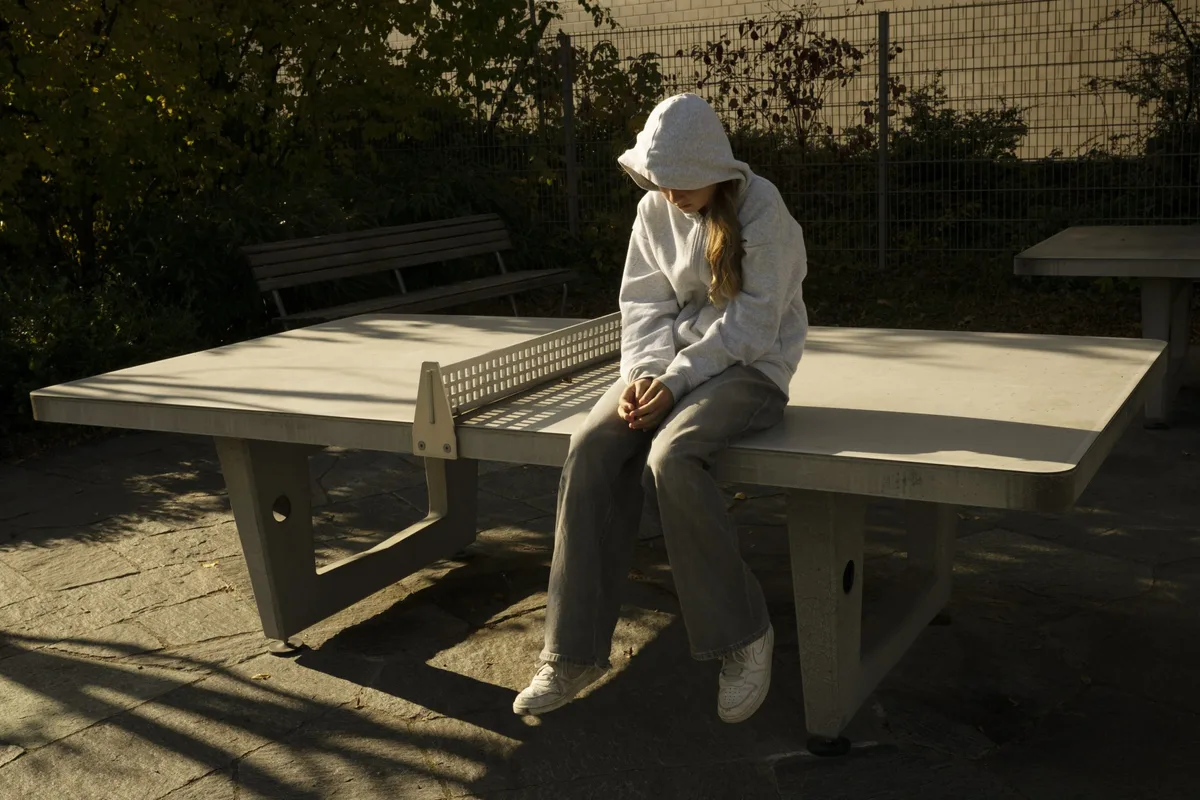
With these children, I usually see the system overheating. A lot has often already happened before they explode. As a teacher, however, you sometimes only see the outburst. When I visit a class, I pay particular attention to stressors: the general mood in the class, the choice of seating, the interactions between the teacher and the child. I pay attention to where the child is looking, who they are in contact with. I actually try to take in the whole room with my entire being, with all my senses, and recognise patterns. A lot of it is based on gut feeling.
For example?
I recently visited a class and noticed that all the «difficult» children who attract attention were sitting at the back, far away from the teacher. She told me that this was because she herself had difficulty with these children and did not want any conflicts. But this meant that these children were always in «broadcast mode» because they felt ignored.

When a boy was sent to the back of the class for disrupting the lesson, he began reading the assignment on the worksheet aloud to draw attention to himself. Teachers often say something disparaging like, «He just wants attention.» But this fails to recognise that there is a real need behind his behaviour. And then the reflex response quickly follows: «I have 22 others to look after.»
But paying attention can also mean glancing at the child in question, winking at them, smiling at them or briefly walking past them. In other words, developing a little sensitivity to what children need. Needs cannot simply be dismissed.
It helps a lot if the child understands that the feeling is there and will pass.
What do you pay attention to when supporting teachers?
It is important to me that teachers recognise their sphere of influence, i.e. consider: What can I influence? Where do I have room for manoeuvre? If I get upset that parents apparently do not fulfil their parenting responsibilities or do not feed their children properly, or if I demonise society and smartphones, then I am distancing myself further and further from my areas of action and my sphere of influence.
How do you work with children who are overwhelmed by their emotions at school?
I think it helps a lot if the child understands that the feeling is there and will pass. And I am not at its mercy. I work with the children to see how they can calm themselves down. Just last week, I had a memorable experience. After a difficult morning, one child wrote instructions for the teacher and the class.
It said: When I get angry, leave me alone. Don't follow me! I don't want to hurt you or cause you pain. I'll come back when I've calmed down. Of course, this won't always work, and maybe something will get thrown across the room. But I was impressed by this step.
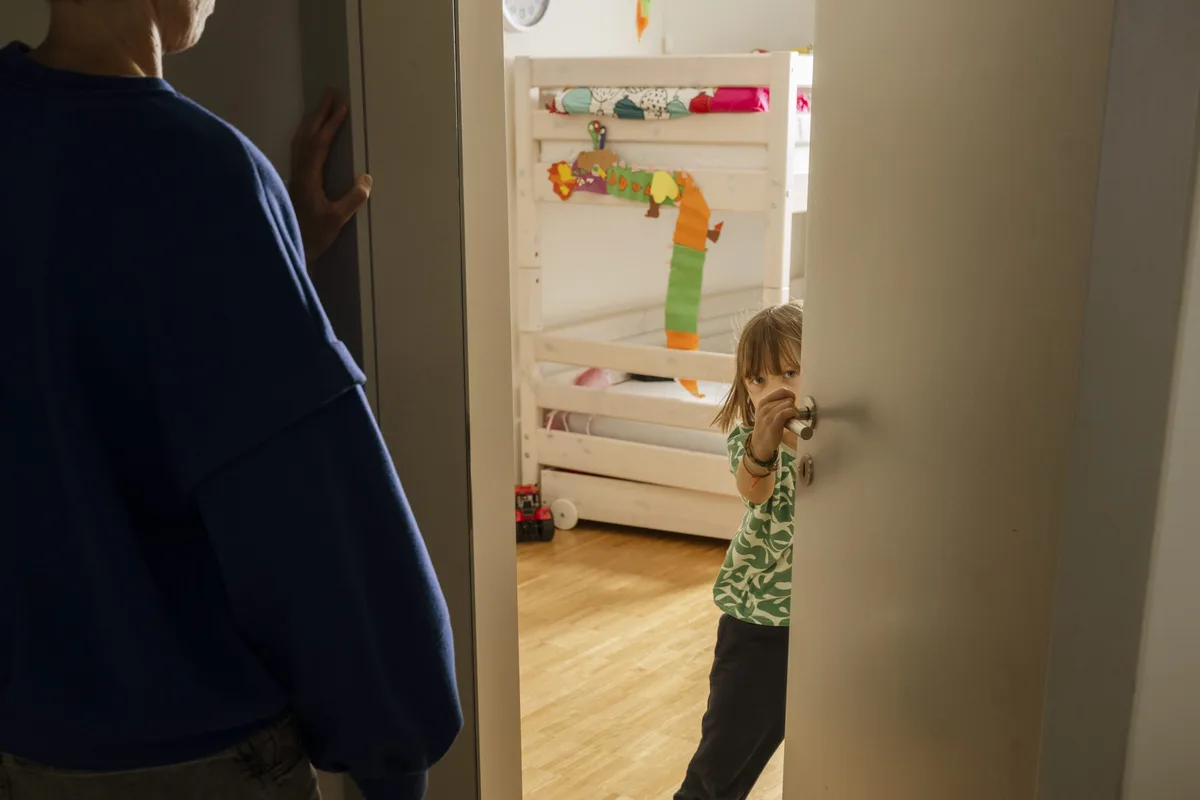
Too much closeness can be perceived very negatively when angry. I then remain within sight, but at a distance.
Giving space: Is this particularly difficult for people who want to solve problems through relationships and closeness?
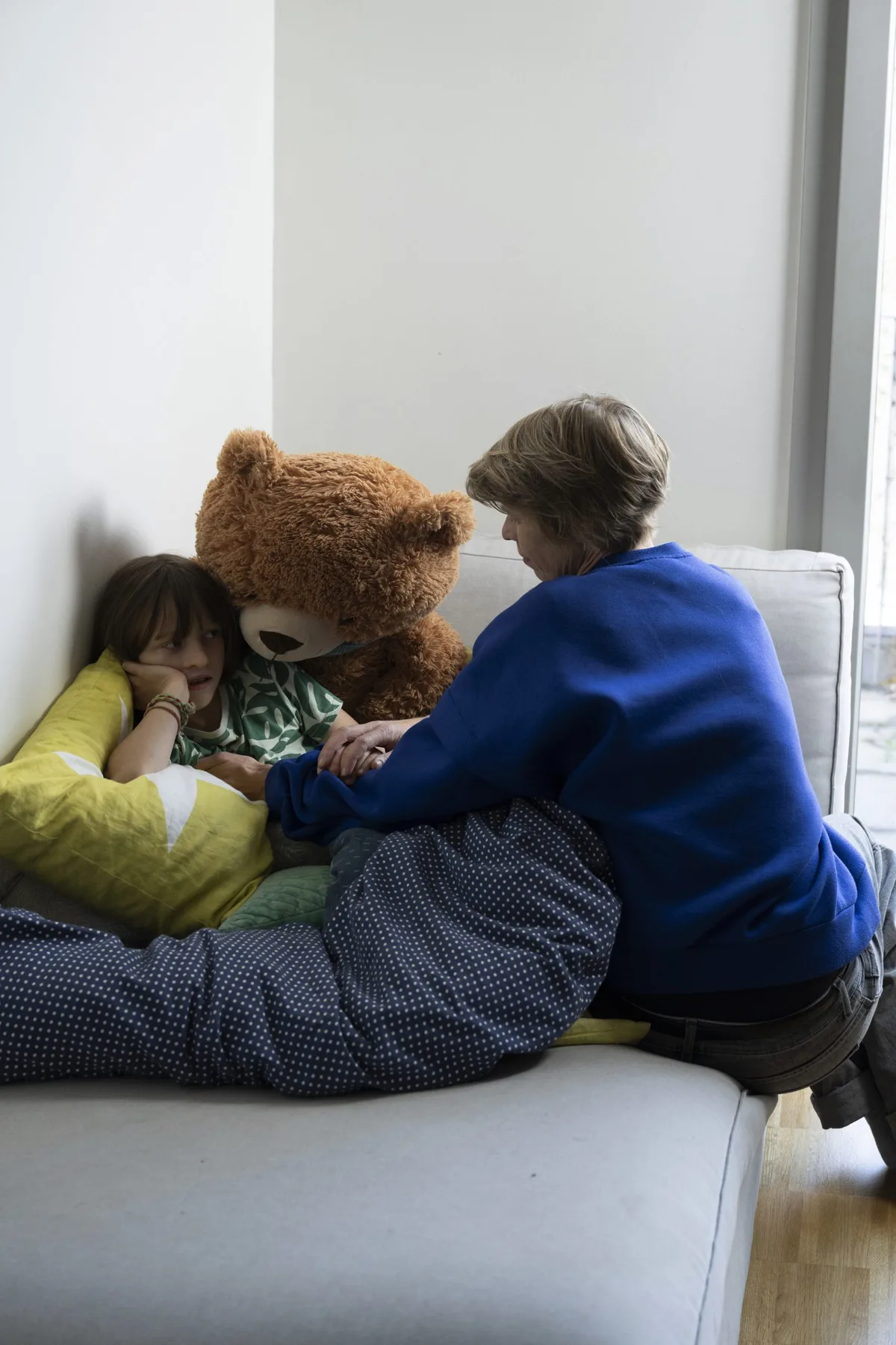
Yes, I notice that in myself too. Sometimes we have to act against our nature. It's only natural to want to help someone who is not feeling well and to want to reassure them. But too much closeness can also be perceived very negatively when someone is angry. It can cause stress or mental chaos in the child. I still try to stay in contact – within sight, but at a distance – and say: I'll stay here and you can come to me.
What advice would you give teachers when a child loses control, hits others or breaks things?
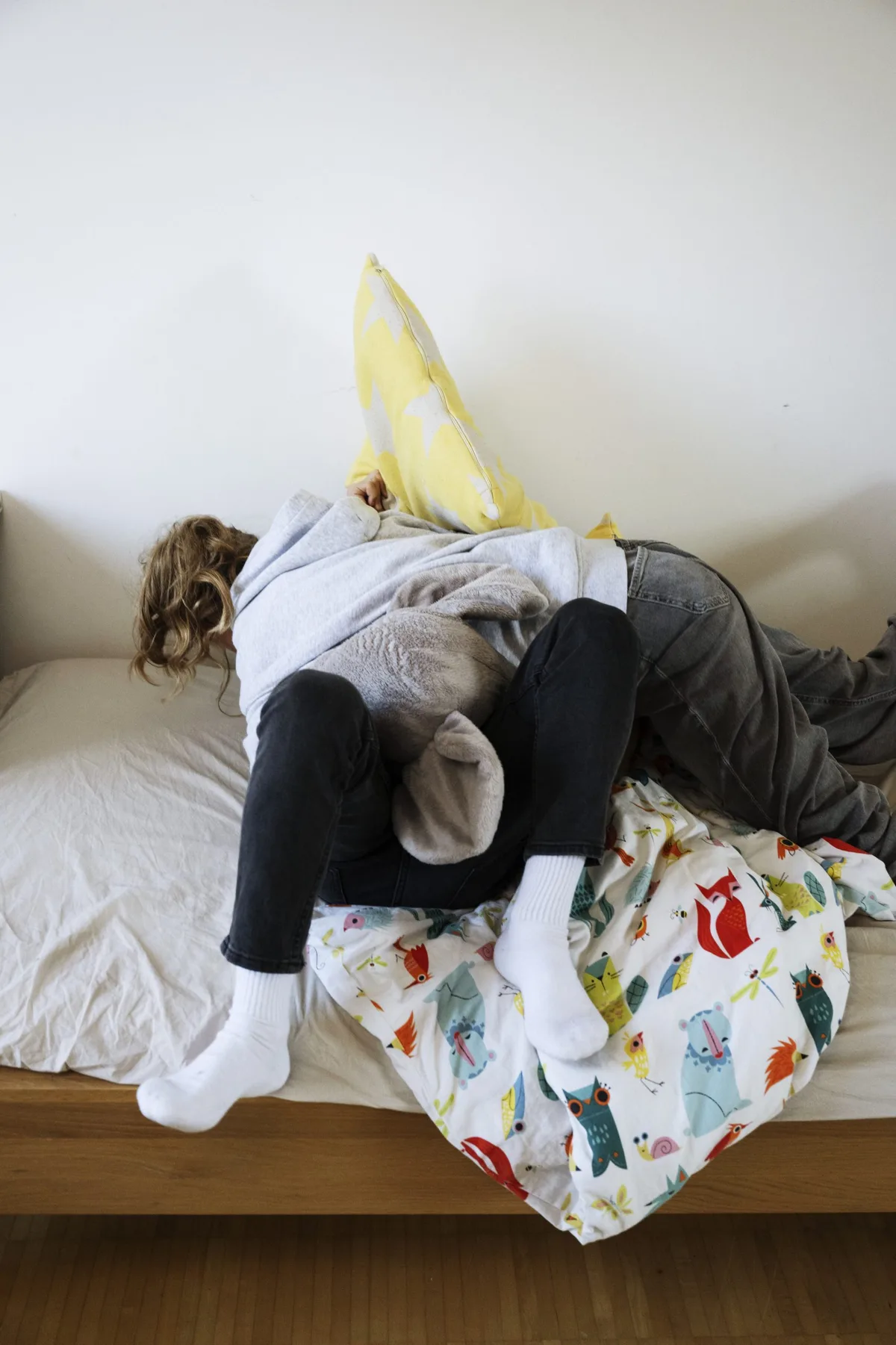
In this state of emergency, there is not much you can do. You may have to restrain a child. This is legally acceptable. But it should be brief and serve the purpose of protection. Sometimes it helps to hold the child's hands, make a quick circular motion and then let go. In other words, something surprising that breaks the pattern.
Or you can clap loudly and call the child's name. This triggers a biological orientation response. As soon as the child looks up, say calmly and, if possible, without direct eye contact: Come here for a moment. The most important thing is not to appear threatening, but rather to speak as you would to a baby. Then there is a chance that they will calm down.
What happens next?
It is important to discuss this afterwards. But I often see teachers calling out at 12 o'clock when the bell rings: «You stay behind for a moment. Sit down... That bothered me...» And the children then reply with «Yes, yes, you're right, I'll never do it again. Can I go now?» That is not sustainable. We adults then say, «We discussed this yesterday.» But that has nothing to do with discussing it. So it's better to say, «We'll discuss this later. Please come in fifteen minutes before afternoon school.»
As a teacher, I do not lose my credibility or control if I do not immediately impose sanctions.
And then?
I can think of an example right now. A young person at a special school once said to me, «I'll fuck your dead mother,» and then ran out. I knew he would be back in my class the next day. The next day, I acted completely normal towards him. Only later did I say, «Hey, I'd like to discuss something from yesterday.» He immediately said that he was sorry, that it had just slipped out.
As a teacher, you simply have to make sure that the door remains open. There is a saying from the new authority: you have to strike while the iron is cold. I think that's very important. I don't lose my credibility or control if I don't immediately impose sanctions. It's better to reflect: you're very angry right now. Come on, we'll look at this later.
5 tips for teachers
- Only in an emergency: restrain the child. This should be brief and for protective purposes only.
- Hold the child by the hands, make a circular motion and then let go. This leads to a surprise that breaks the pattern.
- Clap loudly and call out the child's name. This triggers a biological orientation response.
- Then avoid direct eye contact and calmly say, «Come here for a moment.» Your tone should not be threatening, but soothing, as you would use with a baby.
- A debriefing is very important. Don't just ring the bell at 12 o'clock, but make a specific arrangement. For example: «We'll discuss this later. Please come a quarter of an hour before afternoon school."
At the special school, I learned that I don't have to have the last word – otherwise, the situation just escalates further and further. If I can control myself, I can control the situation better than if I get personal. It's not always easy, but it helps. Not least for the child, because they are in need.