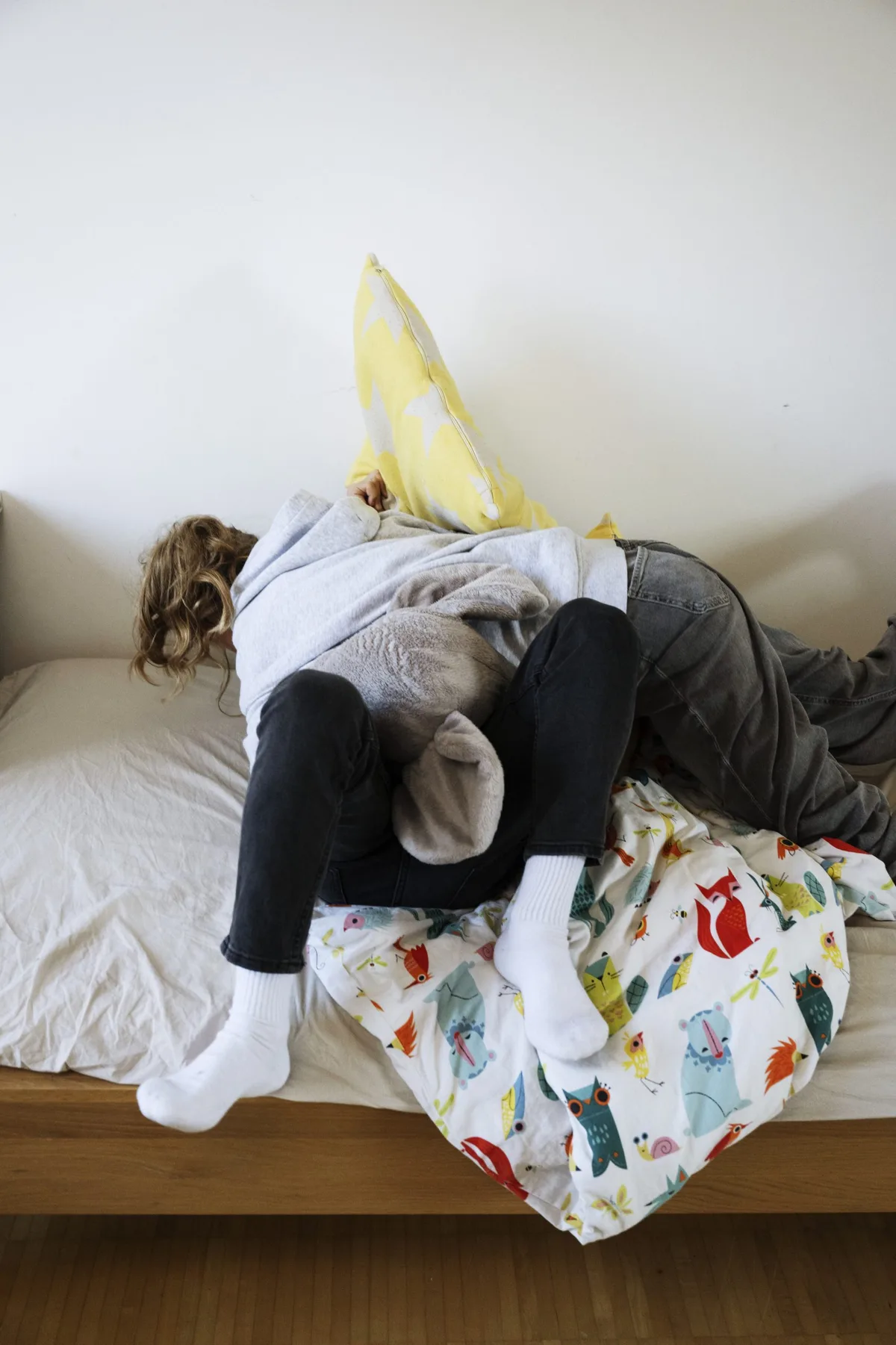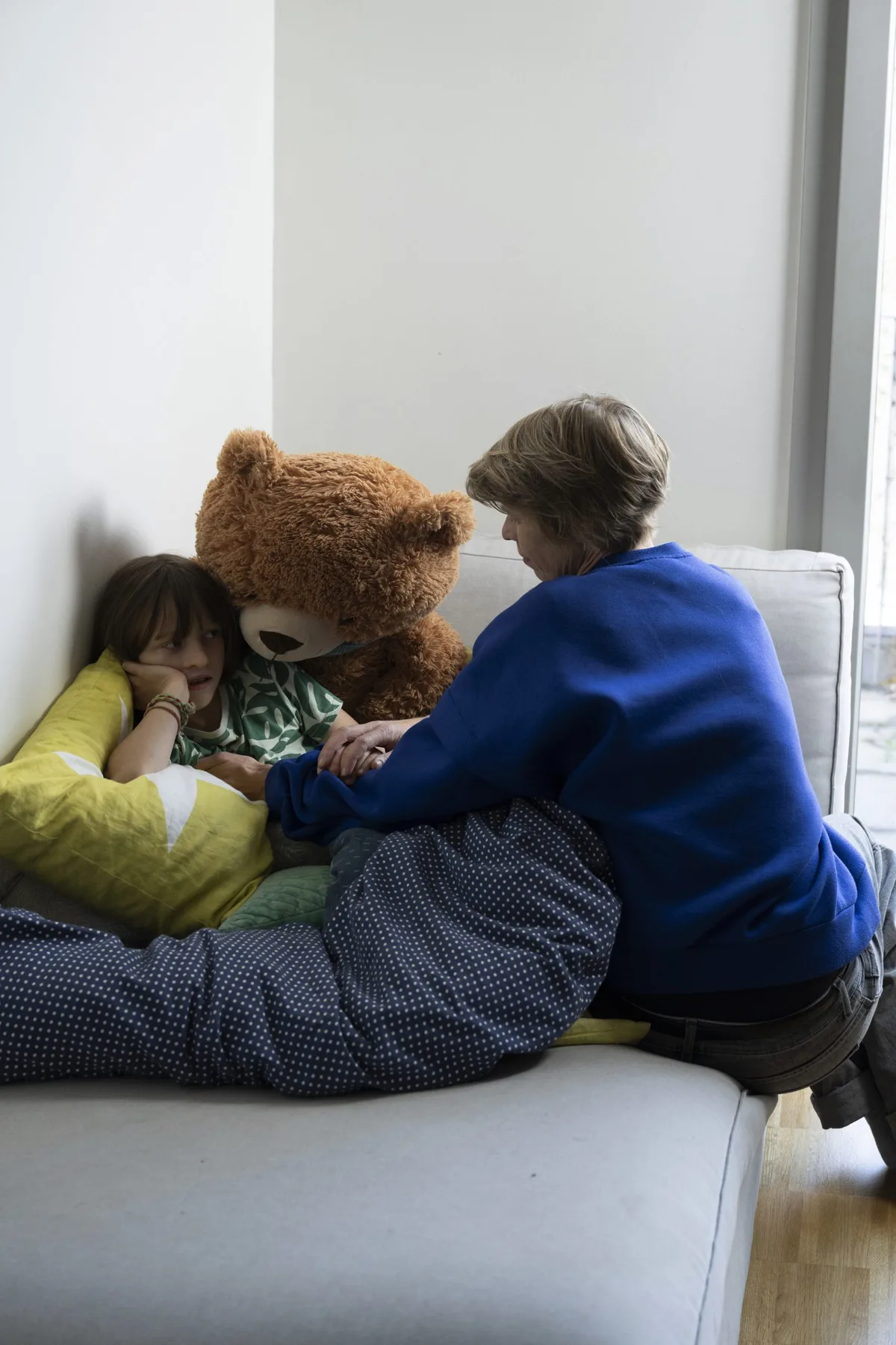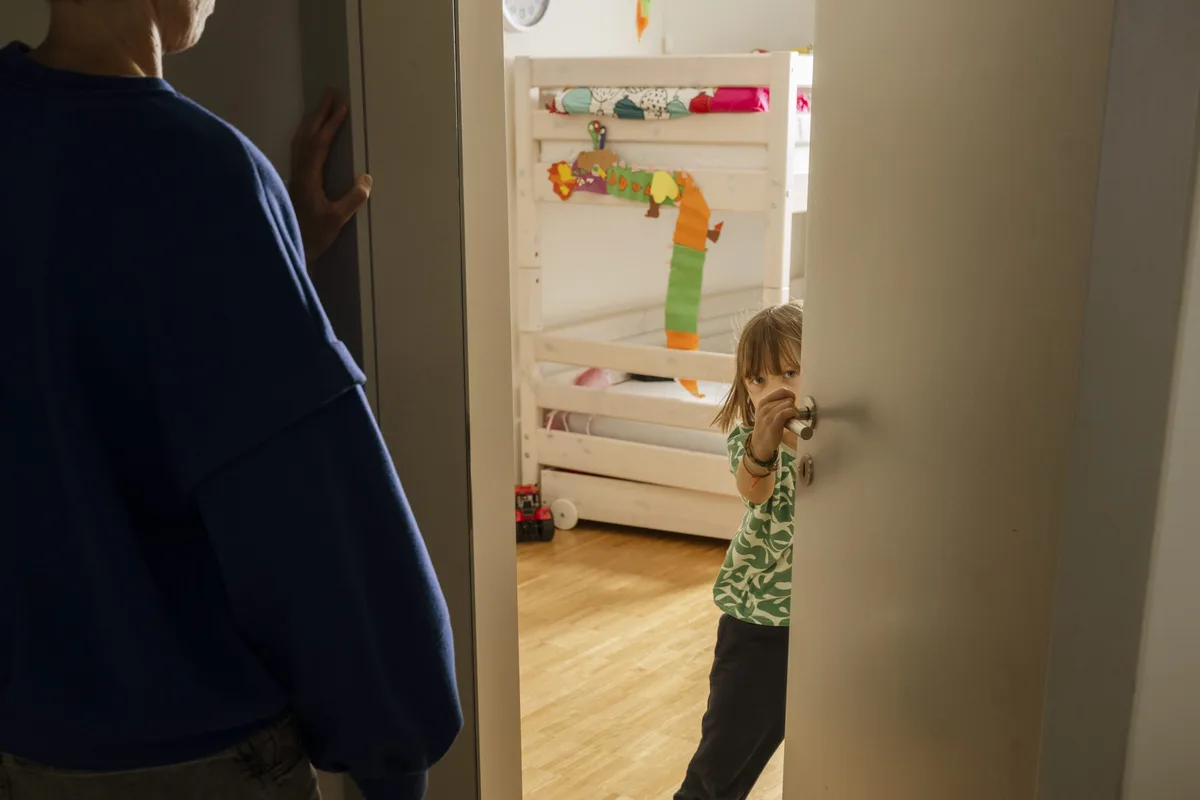
When your own child is prone to emotional outbursts and aggressive behaviour, conflicts often arise between parents about the «right way» to deal with it. While one parent typically advocates showing understanding and supporting the child, the other insists on discipline, toughness and consequences.
«You can't let the child get away with that! They have to learn respect! Enough with this soft approach to parenting – it's time to take proper action!» Statements like these are mostly heard from fathers who consider intimidation, threats and shouting to be effective parenting tools.
If you identify with these statements and have an aversion to «cuddly pedagogy,» you should carefully read these four uncomfortable truths:
1. A man who intimidates his children by shouting and being rude teaches them that «aggression is okay as long as it is directed at those who are weaker».
Your child observes you and learns from you how to deal with conflicts, excessive demands, anger and frustration. Every time you raise your voice, intimidate your child or touch them roughly, you are setting an example for them.
Then it is likely that your child will treat their younger sibling in a similar way or pick on weaker children at school. Various scientific studies show that children who bully others at school are more likely than average to have parents who are authoritarian and unsympathetic, who often use punishment or even violence.
When you lose your temper with your child, you are demonstrating nothing more than your own emotional immaturity.
2. A man who loses his temper when his child is acting up expects more emotional maturity from his child than he does from himself.
A child's brain, and in particular the centres responsible for regulating emotions, continue to mature until their mid-twenties. This is why children are repeatedly swept away by emotional storms. You, on the other hand, are an adult. If you lose your temper when your child «makes a scene», you may feel powerful because your child is now subdued and quiet. In reality, however, you are demonstrating nothing more than your own emotional immaturity.
Why do you expect more from your child than you do from yourself? «But my child provoked me,» you may argue. But do you really want your child to learn to quickly control or suppress their feelings so as not to upset their quick-tempered father?
3. A man who cannot deal with his feelings passes this responsibility on to his family and forces them to tiptoe around him.
Did you have a parent who could explode at any moment? Did you always have to be on your guard when that person was at home? And if so, what was that like for you as a child? Do you want that kind of relationship between you and your child?
Being shouted at and treated roughly does not teach children «respect», but rather fear of others. Genuine respect grows from security and trust. It develops when children realise: I can look up to this person. They are competent and I feel safe with them. They communicate clearly and set boundaries calmly and firmly. I can rely on their word. I want to emulate them!
You undermine this feeling when your child experiences you as uncontrolled and has to fear your threats, shouting and rage. Scientific studies show that children in this environment are significantly more likely to develop anxiety disorders and other emotional problems.
Would I like to be a father? Would I be happy if my daughter married a man like me and started a family with him?
4. A man who withdraws when things get difficult creates a vacuum that others have to fill.
When their own child displays emotional challenges or behavioural problems, some fathers shirk their responsibility with comments such as «I'm not putting up with this drama! Deal with your own mess!» As a result, others have to step in to keep things running smoothly: their partner, older siblings, professionals.
For example, among adolescents and young adults who tend to be highly aggressive or who become violent and delinquent, there are not only parents who model violence, but also an above-average number of fathers who have not made an effort to build a reliable relationship with their child.
Ask yourself: Would I like to be a father? Would I be happy if my daughter later married a man like me and started a family with him? Do I want my child to have a partner who solves problems the way I do? If you have any doubts, ask yourself: What would have to be different for you to say yes wholeheartedly?
So demonstrate real strength by:
- be the calming influence in the eye of the storm
- Do not expect more from your child than you expect from yourself.
- the person you can rely on when things get difficult, turbulent and chaotic
- Be a thoughtful, patient and trustworthy companion to your child, someone they will happily look up to as a role model.
- Recognise your own areas for improvement and have the courage to seek help when unresolved issues are straining your family relationships.
Feel free to challenge yourself! Some men set annual professional goals and work hard to achieve them. But when was the last time you wanted to make a change for yourself or your children?