Bernadette Bürer, 42, works as a child, youth and family coach specialising in autism and ADHD. She lives in Erstfeld UR with her husband, 40, and their two daughters (aged 14 and 11).
I am autistic and have ADHD. The topic of emotional storms and how those around me react to them has been with me for as long as I can remember. As a child and later as a teenager, I often had the same daydreams. When I was sad, frustrated, angry or hurt, I imagined what it would be like if someone could tolerate all my real feelings – or in other words, if someone could tolerate me.
I had to do that every day – be able to tolerate myself. And that was anything but easy. The idea of what it would be like if, for once, adults didn't oppress, insult or even punish me for my feelings, but instead saw and tolerated me, never left me. Unfortunately, that remained an unfulfilled wish – at least for me.
Unconditional presence supports my daughters until they slowly recover, calm down and can then seek closeness, security and comfort from me.
In return, my two daughters should now be allowed to experience that they are okay and loved with all their genuine feelings. That I can tolerate them and stand by them even when they can hardly tolerate themselves. That is my most important mission as a mother – and at the same time, it is almost like therapy for my own inner child.
Co-regulating subsidiaries strengthens trust
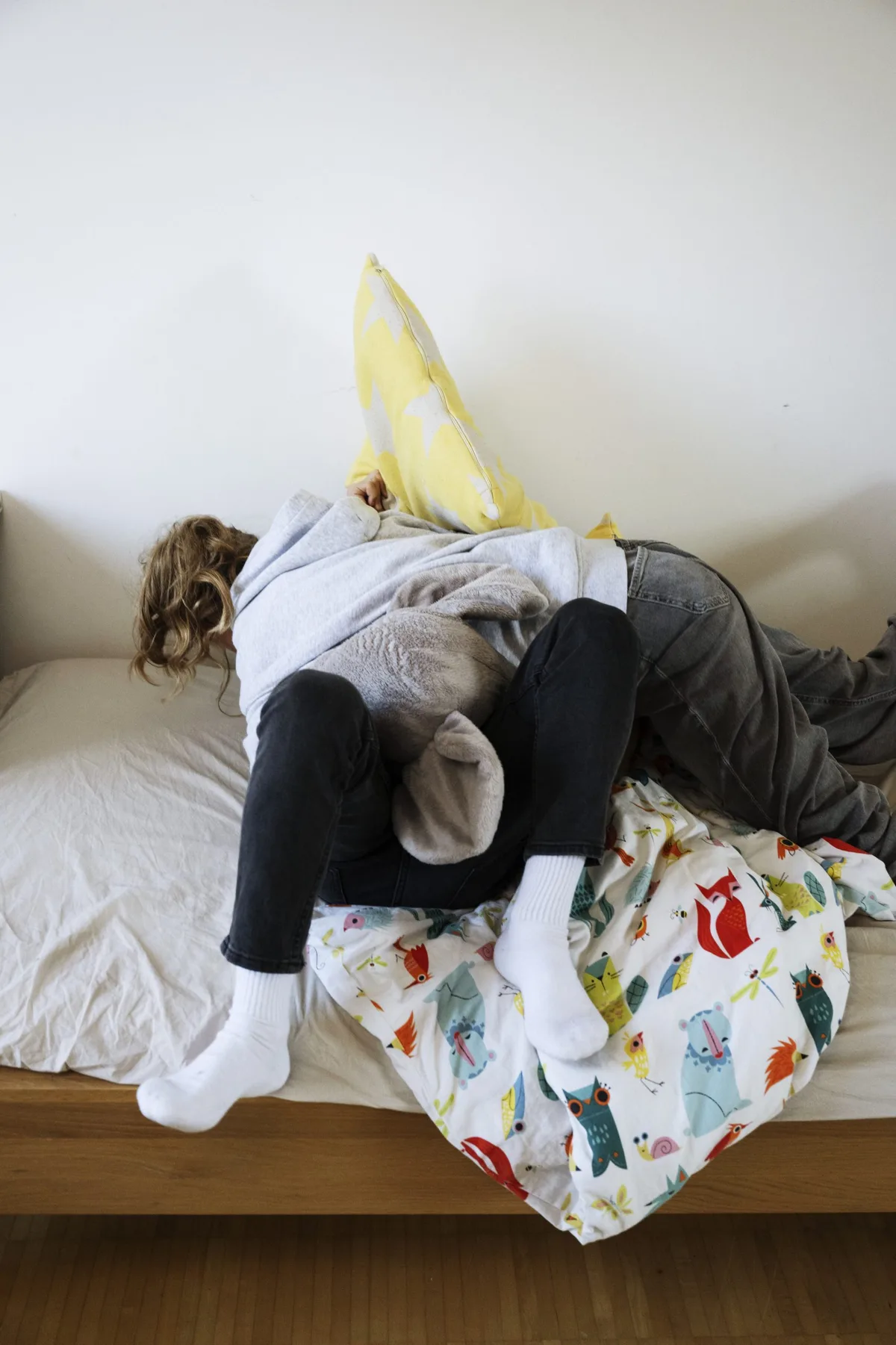
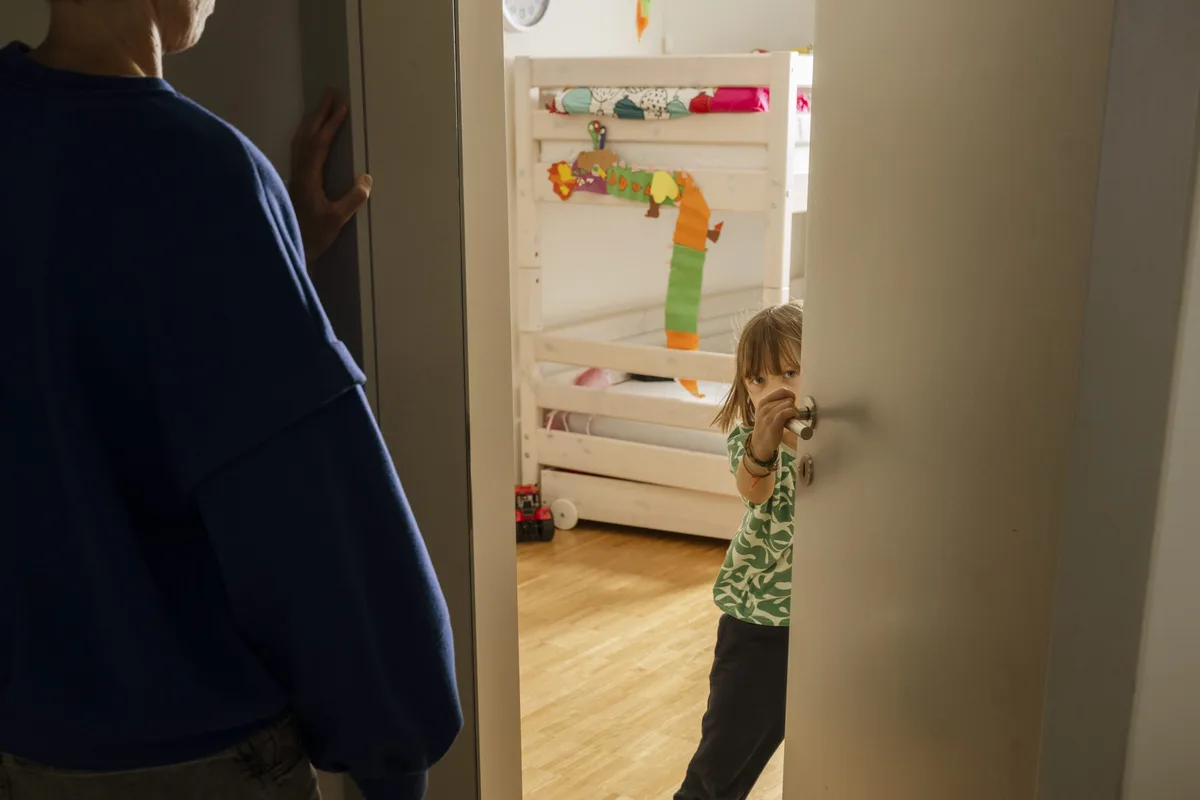
So when my daughters have emotional outbursts, I simply sit down with them. I stay there, calm and without focusing on them, but still inwardly attentive. It is important not to touch them, not to say anything at first, just to endure their raging and ranting.
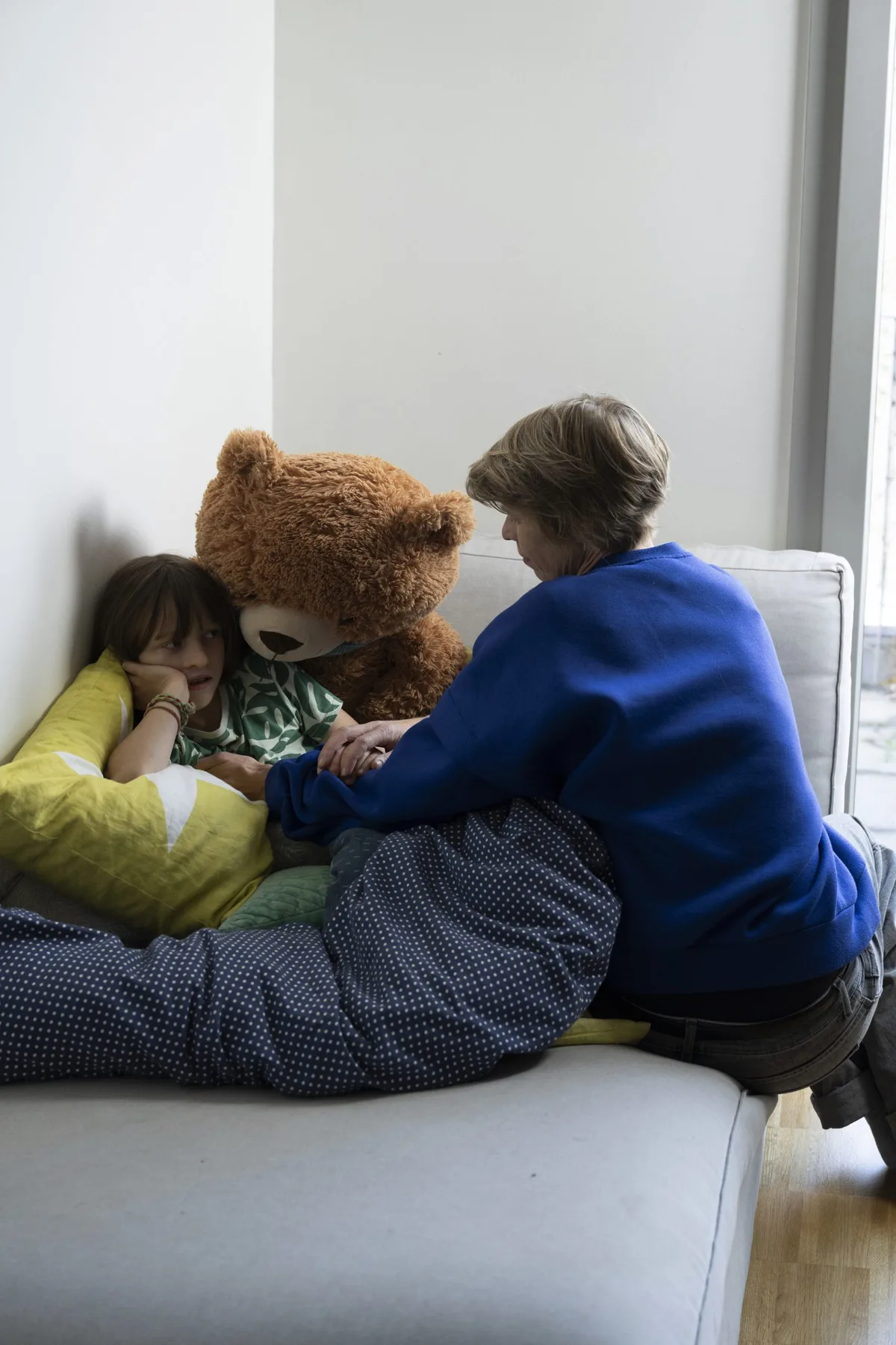
This unconditional presence sustains them until they slowly recover, calm down and are then able to seek closeness, security and comfort from me. I realise that this is the only way I can really help them, even in exceptional situations.
I can confirm one hundred per cent that this slow «co-regulating» not only works, but also incredibly strengthens the bond and trust between the child and the accompanying person – far more than a great outing or other happy hours spent together can do – even though such positive experiences are of course also wonderful and important.