Malina*, 35, is a geographer and lives with her husband, 42, her son, 7, and her daughter, 4, in the canton of Zurich.
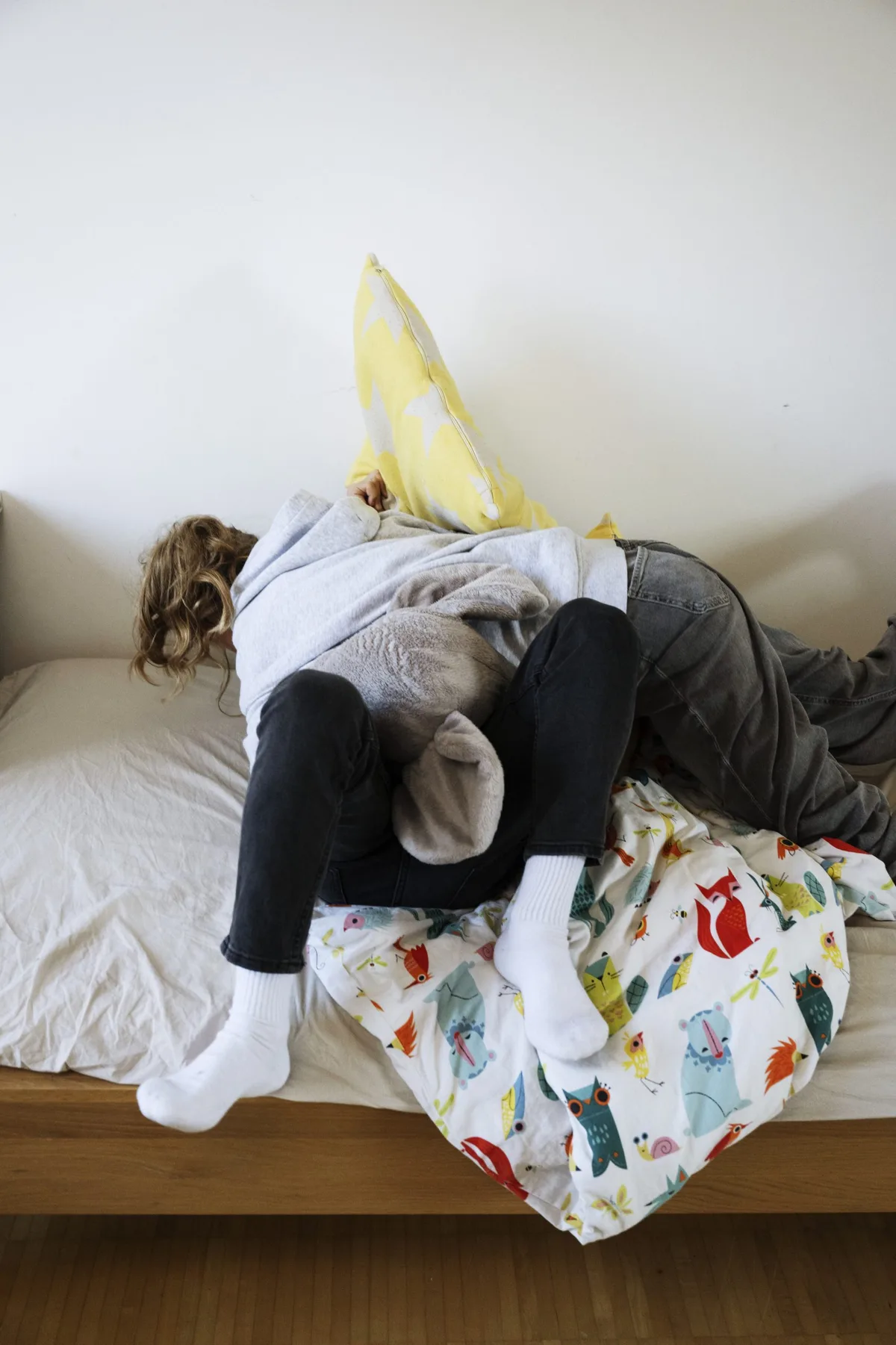
Our son has ADHD and experiences aggression and outbursts of anger almost daily, especially when things do not go his way; when he has to stop playing, something breaks, or he is disturbed. He then screams, blames us, runs through the house, slams doors, throws objects, hits or punches.
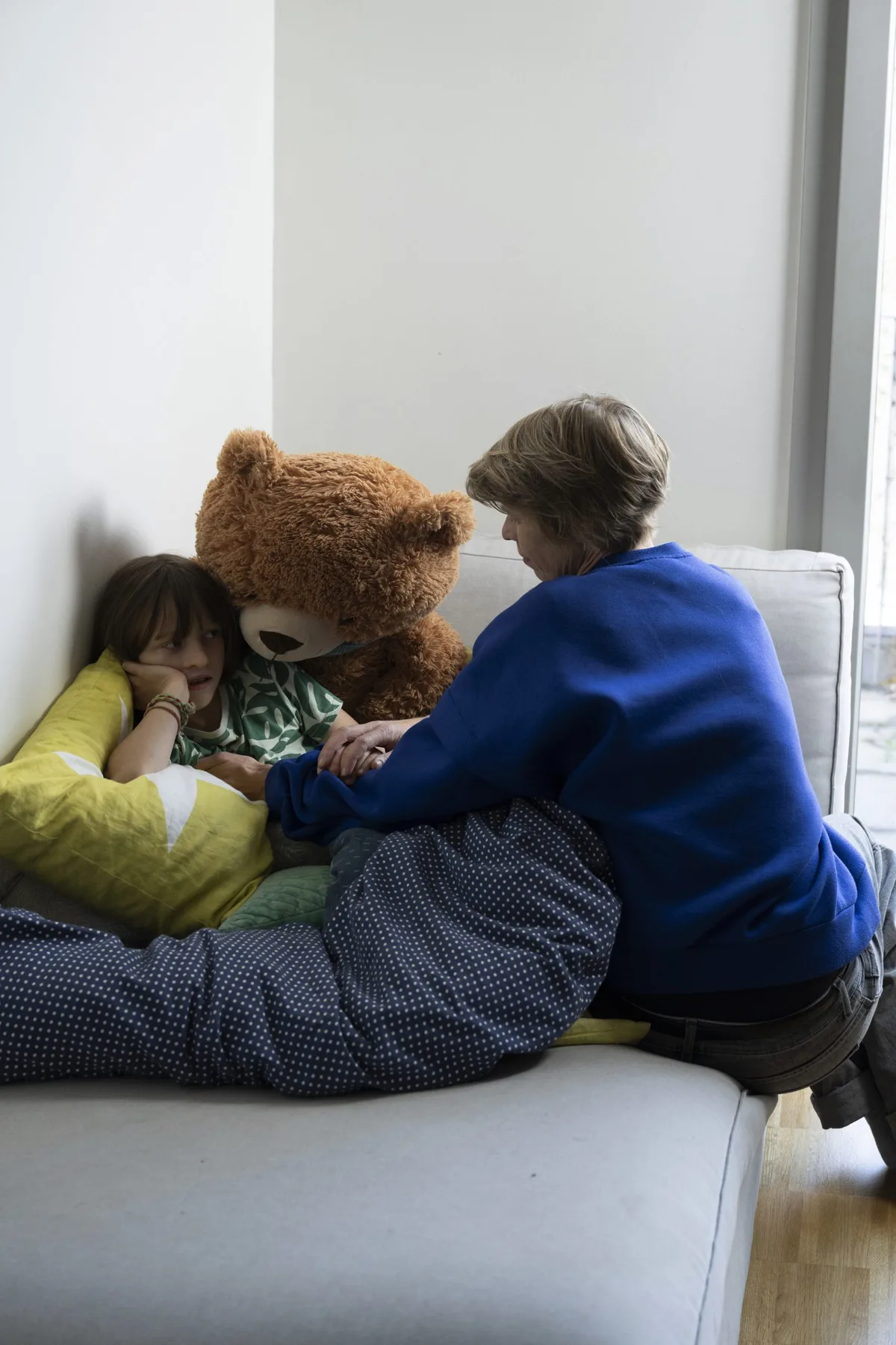
He doesn't want to be touched, but he needs me to be close to him. I name his feelings, for example: «I can see that this has made you sad and angry. It's a bummer when something you've put a lot of effort into breaks – I understand.» He often shouts «Yes!» – a sign that he feels understood and is slowly calming down.
Difficult transitions
When he wants to lash out, we offer him the chance to box into our hands or go on the trampoline. Only when I remain calm can I accompany him. If I shout, things escalate. That's why my husband and I make sure we get enough rest, plan separate trips and allow each other breaks.
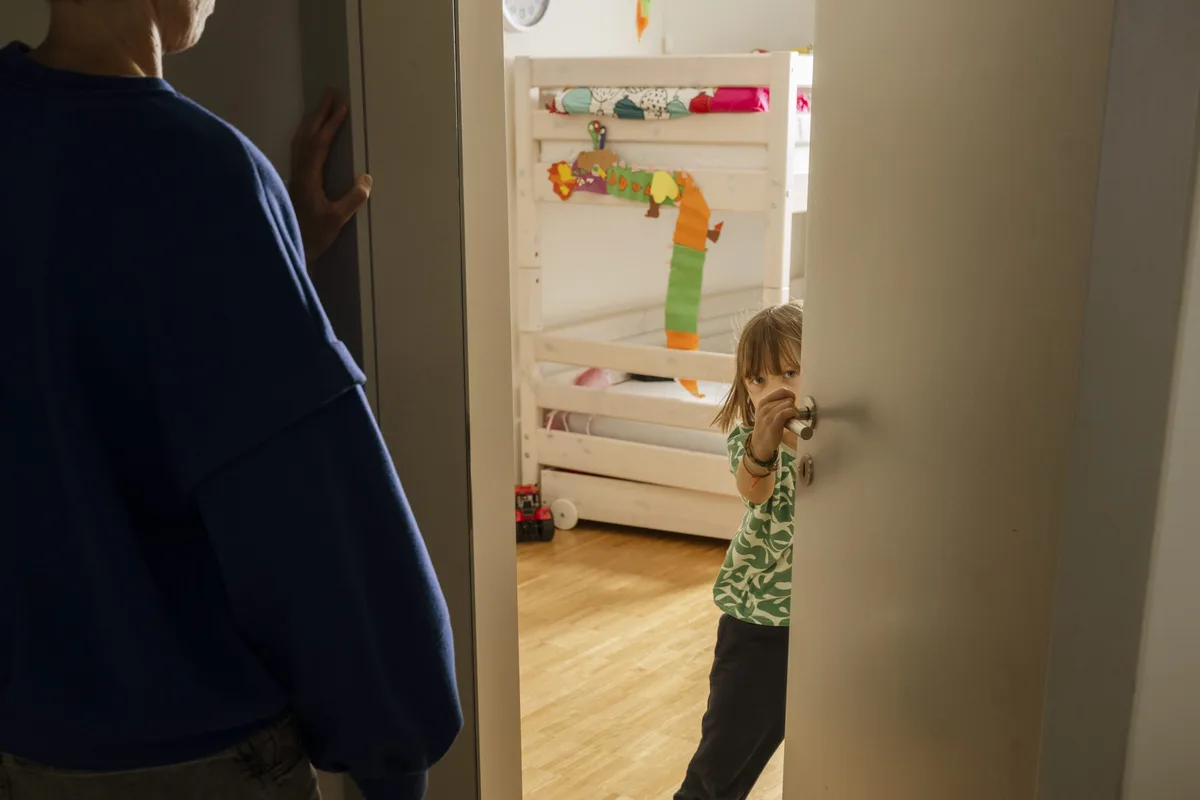
Transitions are particularly difficult. We announce them to him using timers and give him a say in the matter. If that's not enough, I enforce the step, but at the same time explain: «I see you don't want to stop playing, but I'm responsible for us being on time.» That often works better.
In the cloakroom outside the classroom, he may be the first or last to leave so that he has more peace and quiet and does not get into any conflicts.
What helps at school
The hustle and bustle at school overwhelms him; he used to lash out there too. Some teachers insisted on zero tolerance, even though he couldn't control himself! Another teacher understood his plight and looked for solutions.
She then suggested that the teachers take time to discuss his feelings with him , for example before and after break time. In addition, he is allowed to change separately during gymnastics and swimming lessons.
In the cloakroom outside the classroom, he is allowed to be the first or last to leave so that he has more peace and quiet and does not get into conflicts if it is too loud or crowded for him. Since then, things have been better and he has made more friends.
«Total chaos in my head»
In quiet moments, we talk about situations like this: What made him angry? What would have helped? He describes a «huge mess in his head». He says he is sorry when he lashes out, but he cannot stop himself. His greatest fear is no longer being liked. He is well aware of his diagnosis and says, «Mummy, my brain is different.» For us, it's clear: all feelings are okay, but not all behaviours. We're working on that together.
The reactions of other parents are difficult. Friendships have even broken down because of this.
My husband comes from a different culture and grew up with different values. At first, he found it difficult to deal with our son's strong emotions. We found a solution together during a parenting consultation. We also agreed on a code word that we say to each other when we feel that the other is about to lose their temper. We used to blame each other, but now we are better at recognising when we are reaching our limits.
The reactions of other parents are difficult. Many believe that it is all down to our «lax» parenting. This has even caused friendships to break down. Hardly anyone shows sympathy, as our child is not the «victim». But we also have to avoid certain occasions in order to protect others and him. I wish there was more understanding instead of judgement!
* Name known to the editorial team