

Break-ups: Our topic for October
«Why? Why couldn't you pull yourselves together? I hate you!» Full of rage, the 14-year-old hurled these words at her parents. That's how a mother friend of mine described it to us after the breakdown of her 15-year marriage. A separation is like an earthquake in the family landscape. The familiar walls shake, and the cracks often run deep through everyday life.
When parents decide to go their separate ways, their first concern is often for their children. Will they be able to cope? How will this affect their carefree upbringing? Our feature on «Separation» by Sibille Moor dispels the misconception that a divorce necessarily means a damaged childhood.
Children have an incredible ability to adapt. What they absolutely need, however, is the reassurance that they won't lose Mum and Dad. They need space to express their anger and grief. And they need adults who resolve their conflicts as a couple, not as parents.
She is Switzerland's best-known neuroscientist. And the most prolific: Barbara Studer. The 42-year-old from Bern is a bestselling author, speaker, entrepreneur, podcast host and musician. She has 50,000 followers on the professional networking site LinkedIn, and in her posts she discusses brain health, dementia prevention and harmful media consumption.
This mother of three told my colleague Virginia Nolan why she wouldn't buy a smartphone for a child 14 years ago. Why she's against strict screen time limits. How excessive social media use hinders brain development. And what happens to us when we spend time in nature three times a week. I promise you'll gain a wealth of insights – you can read the interview here.
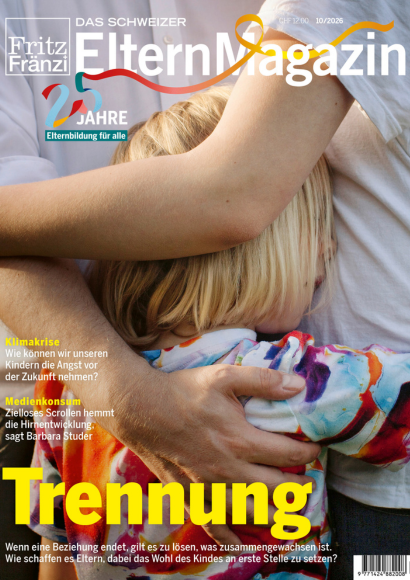
«This will be the coolest summer for the rest of your lives,» warned US climate scientist Peter Kalmus during the global heatwave of 2023. That was three years ago. Gloomy forecasts are frightening. That fear – particularly in children – is as real as the climate crisis itself. How should we, as parents, deal with this? How can we support children in the face of these uncertainties so that they remain mentally strong, empathetic and capable of taking action? Gerd Schild has written an insightful piece on this subject.
My personal recommendation: Talk to your child about their fears. Make sure they don't consume too much alarming content. And do get hold of the book *Kindheit am Kipppunkt* by Veronika Rivera. It's a source of encouragement for families when the world feels like it's on shaky ground. Stay positive!
Yours sincerely,
Yours, Nik Niethammer


