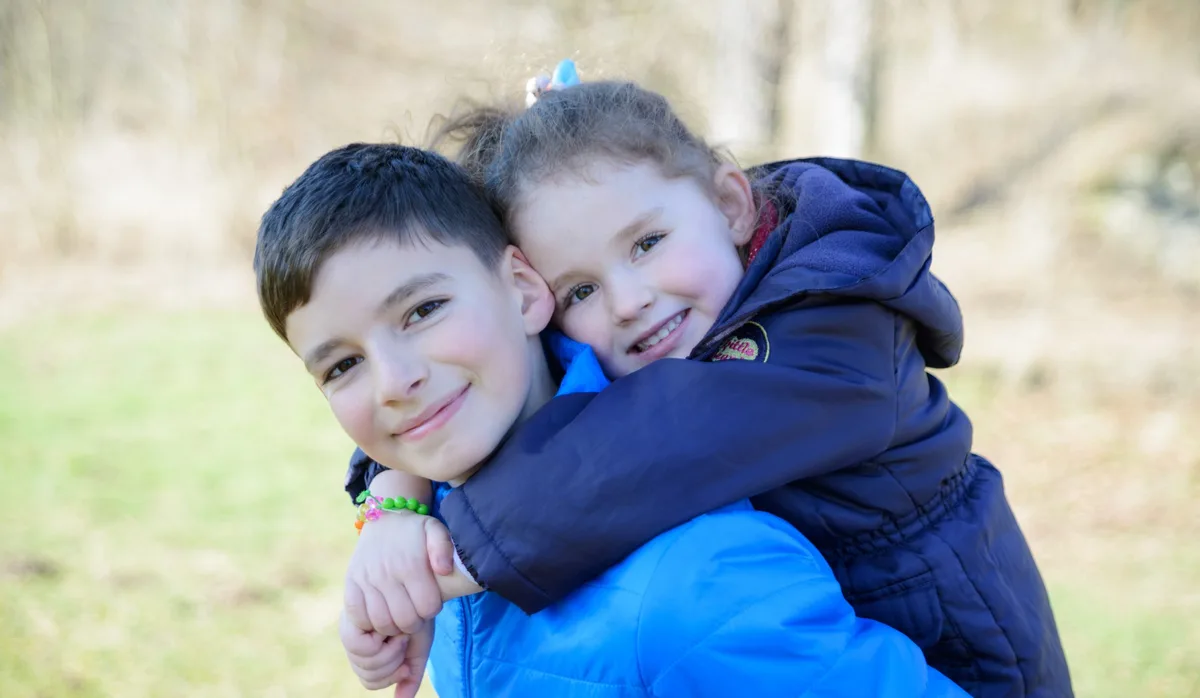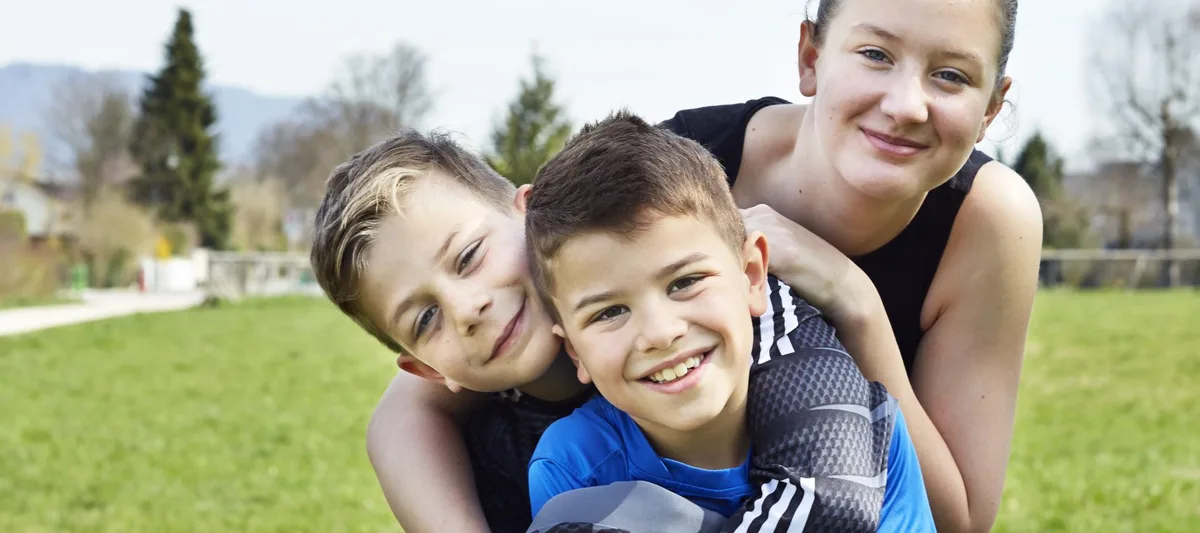
Alfred Adler, the founder of individual psychology, had five siblings and struggled particularly with his relationship with his older brother Sigmund. Throughout his life, he felt inferior. This experience weighed heavily on him and later led him to make the following statement: A child's character depends to a large extent on their position in the sibling hierarchy.
According to this theory, older siblings suffer from a sense of powerlessness and a lack of attention – particularly from their mother – following the birth of a second child. In order to still feel loved, Adler suggests, older siblings tend to mimic their parents and grow up to become rather stubborn and conservative adults.
The second-born child, on the other hand, is said to grow up to be open-minded and flexible. However, if there are further younger siblings, second-borns face a tough challenge, as they face competition from both older and younger siblings. The youngest children, by contrast, are often regarded as creative and open-minded, and are frequently blessed with entertaining qualities, as they do not want to get lost in the hustle and bustle of a large family.
An untenable cliché
Can a person's development as an adult really be predicted on the basis of their birth order? «That's a myth,» says Jürg Frick, a clinical psychologist. «It's an untenable cliché, because there are no blanket assumptions about siblings.»
It is not possible to accurately predict a child's development based solely on their playmates at home. At best, there are trends. What Frick means is that there are not only biological differences between children, but it is also important to consider what becomes of these biological differences as they grow up.
The full study is available at www.swissfuture.ch.