

20 November is Children's Rights Day. What is the situation in Switzerland? Do we have reason to celebrate or rather the opposite?
The fact that the Convention on the Rights of the Child exists and that Switzerland signed this convention in 1989 is in itself very pleasing. This means that many of the rights that children in Switzerland should have are already mentioned. It is also pleasing that these rights have already been introduced in some areas. On the other hand, it is clear that the implementation of the Convention on the Rights of the Child in Switzerland is not yet complete: there are still gaps and inadequate implementation of the Convention's requirements.
For example, in its recommendations of 30 September 2021, the UN Committee on the Rights of the Child states that Switzerland needs an action plan to prevent and combat all forms of violence against children, including sexual violence against children on the internet. This is where our latest campaign against «sharenting» comes in: We want to sensitise parents and other caregivers to the need to be extremely careful when dealing with images of children on the internet.
What is the current status of non-violent parenting in law?
Parenting without violence also needs a strong signal from society and politics. The right to non-violent parenting in law creates clarity for parents and sends a strong signal. A positive signal in this regard came from the National Council in the current autumn session: for the first time, the National Council spoke out clearly in favour of enshrining the right to a non-violent upbringing in the Civil Code. The ball is now in the Council of States' court.
As soon as the right to a non-violent upbringing is enshrined in law, this will be considered the new «normal» and support for affected families will become easier.
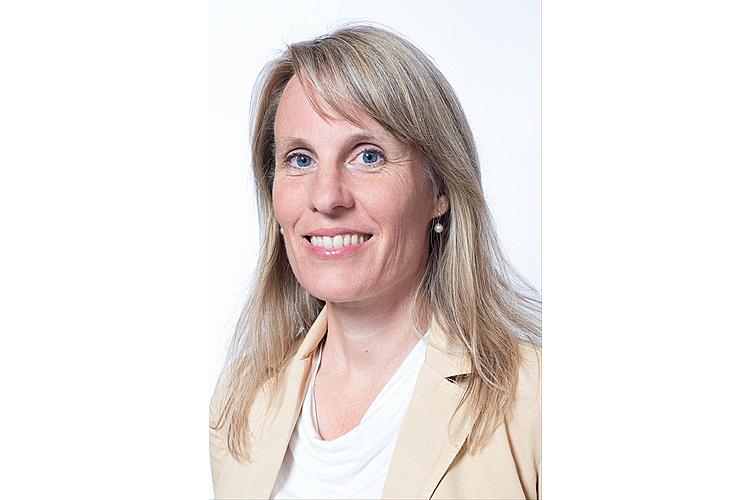
Read the interview from December 2020: «The closure of schools in spring was catastrophic».
When we last spoke, you said that the pandemic has generally worsened the situation for children. What is the situation here with regard to the punitive behaviour of parents?
Many of the currently known risk factors for violence in parenting have increased during the pandemic. Fears, insecurities, loss of job or income and restrictions (e.g. quarantine or isolation, but also generally limited contact) contribute to parents being more stressed or stressed - and nerves are often on edge, which is also reflected in punitive behaviour.


We refer to the study «Punishment behaviour of parents in Switzerland» by the University of Fribourg, which shows that physical and psychological violence against children is part of everyday life. One in twenty children is regularly punished physically at home. As many as one in four children regularly suffer psychological violence. Child Protection Switzerland has set itself the goal of taking action against violence against children. The study will be continued and a new survey is planned for spring 2022. This will perhaps show whether the pandemic has a long-term impact on parents' punitive behaviour.
