Media literacy: Our topic for November
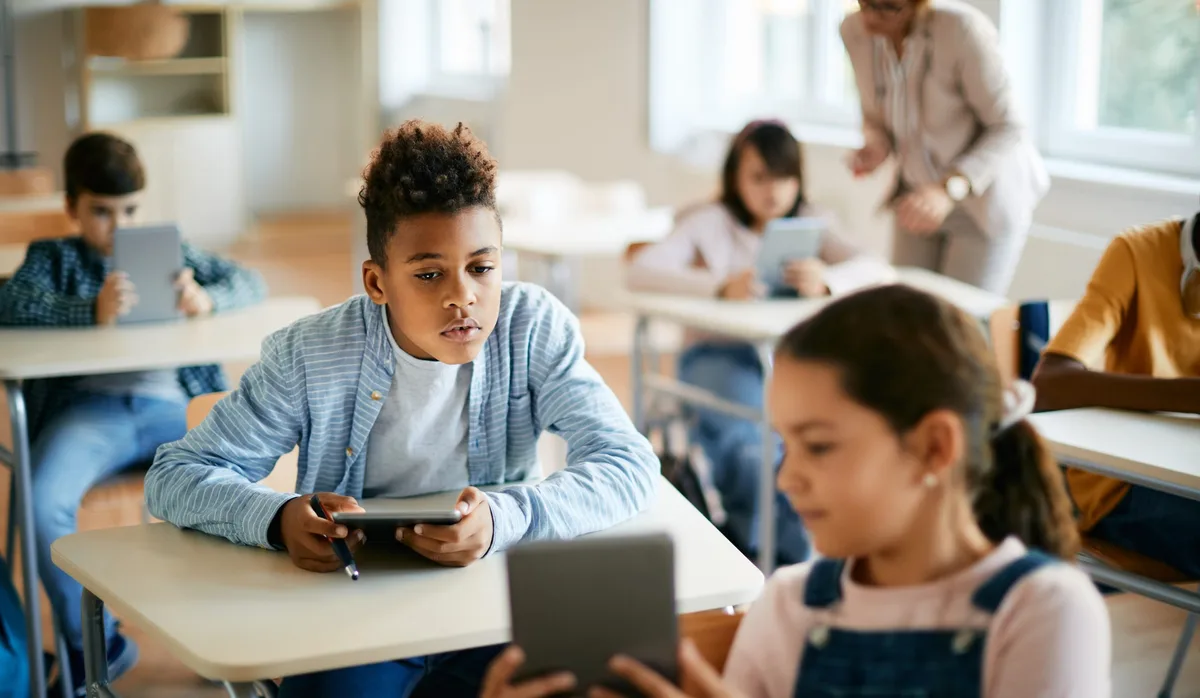
My children's school is now mobile-free. Smartphones are collected at the start of lessons and returned at the end of the school day. The creation of a digital safe space caused quite a stir in the run-up to its introduction – and not just amongst the teenagers. How can parents communicate with their children during the lunch break? How are breaches penalised? The preliminary conclusion after six weeks: the fuss has died down, and the rule is working surprisingly well.
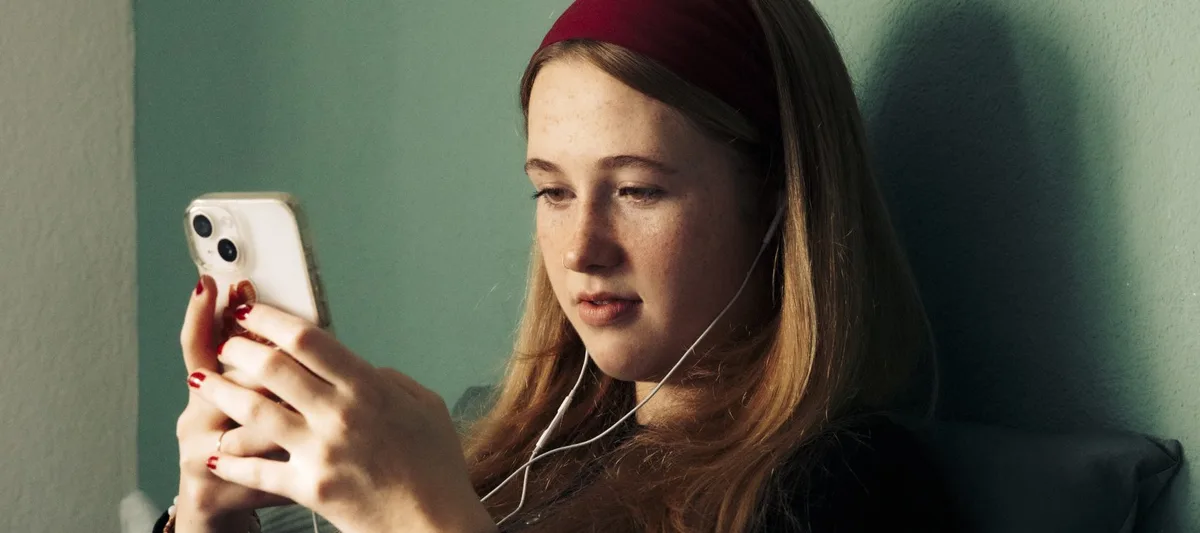
It is not only schools that are struggling to strike a healthy balance in everyday digital life – families are too. Digital coach Daniel Wolff says he considers media guidance to be the most important parenting issue today. For the «Media Literacy» feature, author Sandra Markert put a total of 31 pressing questions to him and five other experts – questions that parents ask themselves almost every day, such as: «My child doesn't want to show me or talk to me about what they're doing on their mobile. What should I do?» The answers from our experts will help you guide your child safely through the digital world – we promise!
Recently, some young people wrote in Zurich's *Tages-Anzeiger* about how artificial intelligence is turning their everyday school life on its head. I found myself thinking about the answer given by secondary school pupil Malou Freuler to the question of what rules apply at her school regarding the use of AI: «We don't have any clear rules, nor are there any specific lessons on the subject. It depends on the teacher's attitude towards AI.»
A question for Philippe Wampfler: Why do so many schools lack an AI strategy? The secondary school teacher and author of the book *L'école, c'est moi* explains: «When change occurs, shock and denial are often followed by what is known as the ‹Valley of Tears›. This phase describes the transition from the rational realisation that change is inevitable to emotional acceptance.» According to Wampfler, schools are currently in the Valley of Tears when it comes to the use of AI.
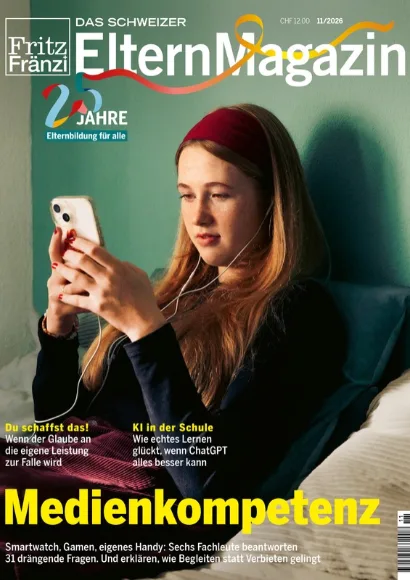
«At the same time, pupils are asking themselves: ‹What value do I bring to society if, in the foreseeable future, I can't do anything better than a chatbot?›» Philippe Wampfler has written an insightful essay on how teachers and parents can encourage children to continue learning independently, despite the possibilities offered by AI – including a five-point plan. Highly recommended reading.
Kind regards,
Yours, Nik Niethammer