Choosing the right training programme doesn't start with job descriptions or vacancy adverts, but with yourself. Anyone who knows what they're interested in, what matters to them and in which situations they feel at ease has a decisive advantage.
For young people in particular, it is precisely this process of self-discovery that is often the biggest hurdle on the path to the world of work, because this phase of life is characterised by upheaval, as they are in the midst of the transition from childhood to adulthood.
A useful first step in choosing a career is to take a close look at your own everyday life.
Young people develop their own identity and seek their place in society; they try out different roles and question their values. At the same time, friendships, expectations and visions of the future are changing. It is no surprise, then, that the question of which career is right for them cannot be answered straight away.
Am I a practical sort? Do I prefer to work on my own?
A sensible first step in choosing a career is therefore to reflect on your own everyday life. It is not grand life plans, but small observations that often provide the best clues: Which topics am I particularly interested in at the moment? What do I get so absorbed in that I forget everything else? Which tasks do I tend to find a chore, and which come easily to me?
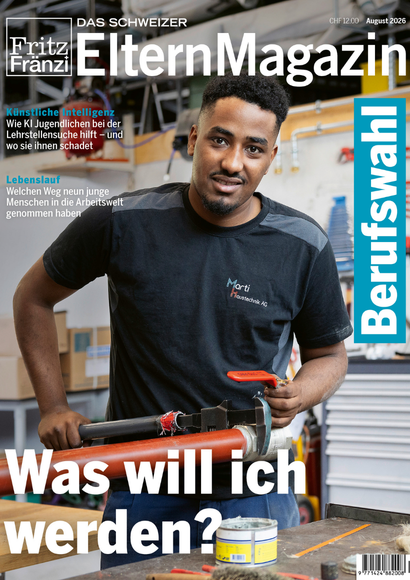
Your own learning and working habits also provide important clues. Do I feel more comfortable working on my own or interacting with others? Do I enjoy practical activities, or do I find linguistic and theoretical content more to my liking? And are there any places or environments where I can concentrate or relax particularly well?
Such reflections help you to identify initial patterns, without being influenced by specific job descriptions at this stage. The main aim is to develop a sense of which activities might suit you and which might be less suitable.
- What topics have I most recently searched for information on?
- What do I know enough about to be able to give others information?
- What sort of activity makes me lose track of time?
- What is something I have to force myself to do, and am glad when it's over?
- Do I prefer to tackle tasks on my own or with others?
- Do I make use of my foreign language skills?
- Do I enjoy working with my hands?
- Where do I feel most at home?
Bringing interests and skills together
It is quite possible that, in this way, common interests and skills will become apparent. Those who are good at concentrating may have a knack for analytical tasks. Those who enjoy explaining things, listening or working with others often have strong social or communication skills. These correlations are not set in stone, but they do provide valuable insights into which activities might be enjoyable in a professional context.
As well as personal preferences, external factors also play a role. Academic performance influences many educational pathways. Anyone struggling with a particular subject can either work on it specifically or deliberately look for alternatives where other skills are valued. Practical experience is equally helpful.
Taster work placements or brief insights into different careers quickly reveal what a typical working day is really like. It often becomes clear that the reality is different from what one had imagined. Some discover new interests, whilst others realise that a particular career isn't right for them. Both are valuable, as every experience helps to shape one's self-image a little more.